Postpartum Belly Exercises: How to Safely Rebuild Your Core After Baby
By Carla Kay
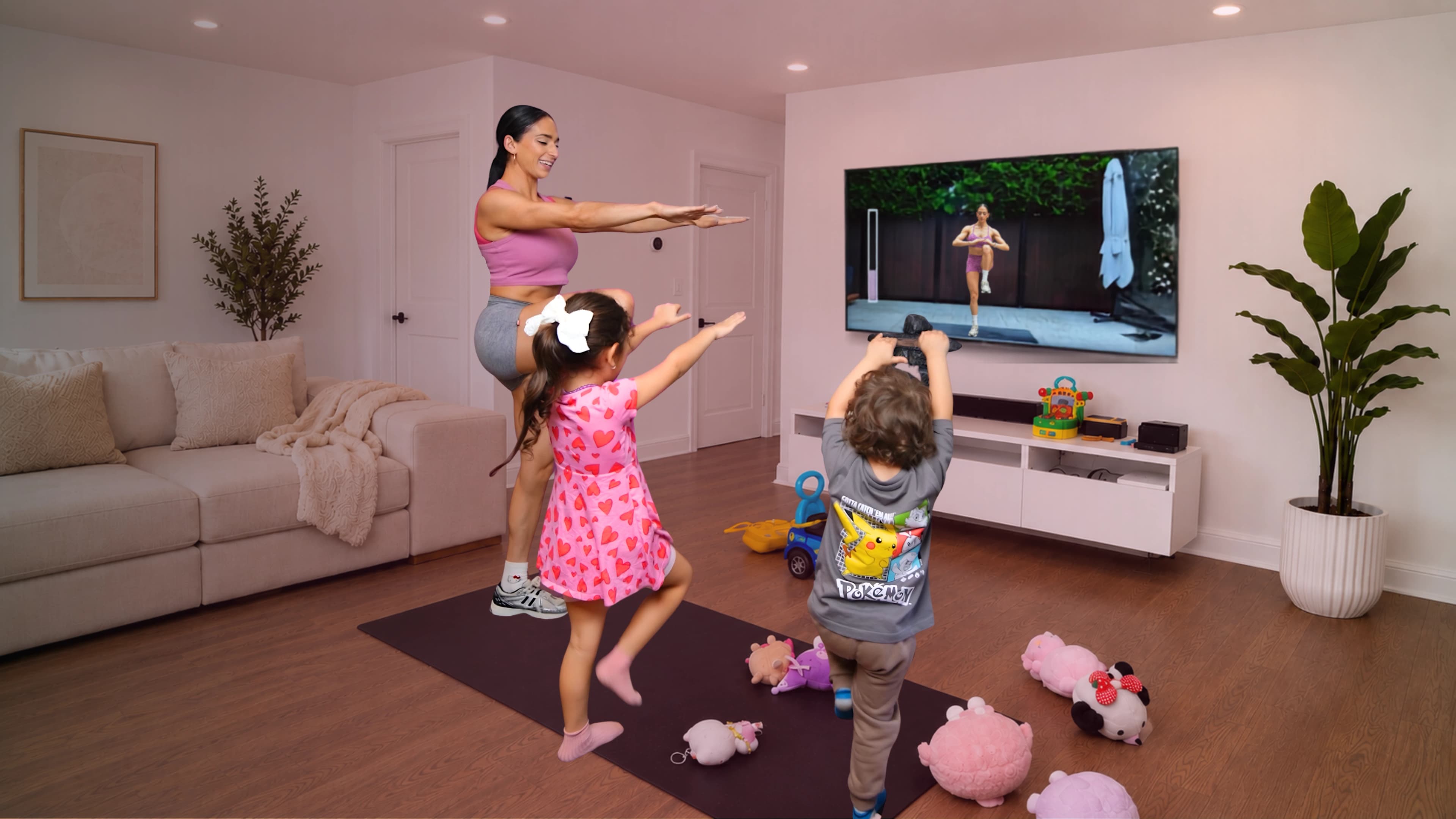
Wanting to feel strong again after having a baby is normal, and honestly a great sign. But how you go about rebuilding your core makes all the difference between a solid recovery and months of spinning your wheels. Here's how to do it the right way.
Why Postpartum Core Work Is Different
Your body isn't the same as it was before pregnancy, and that's not a bad thing, it's just reality. Your core, pelvic floor, and posture have all shifted. Jumping straight back into your old routine skips over that groundwork entirely and can make a diastasis recti or pelvic floor weakness worse.
The better approach: start at the foundation, even if it feels too basic. A postpartum core needs to rebuild before it can handle load.
Step 1: Reconnect With Your Breath
Before any core exercise, relearn how to breathe with your diaphragm. Inhale and let your belly and ribs expand, exhale and gently draw your navel in. This sounds simple, but it's the foundation everything else is built on.
Step 2: Rebuild Deep Core Activation
Once your breathing feels natural, start engaging your transverse abdominis, the deep muscle that wraps around your midsection like a corset. Gentle activation exercises, done slowly and with control, matter far more than high reps right now.
Step 3: Check Your Alignment
Pregnancy shifts your posture, often pulling the ribs up and the pelvis forward. Before adding more movement, make sure your rib cage is stacked over your pelvis. This alone can change how effectively your core engages.
Step 4: Progress Gradually, Skip the Crunches
Once your foundation is solid, you can move toward functional exercises and controlled standing movements. Crunches don't belong here: they increase intra-abdominal pressure and can widen a diastasis recti instead of closing it.
Signs You Should Slow Down
Leaking during exercise, a feeling of heaviness or pressure low in your belly, or persistent lower back pain aren't things to push through. They're signals to scale back and rebuild the foundation before progressing further.
A Method Built for This Exact Process
This step-by-step approach is exactly what Bye-Bye Mommy Pouch walks you through: four stages that take your core from reactivation to a stronger, more functional postpartum body, at the pace your body actually needs.