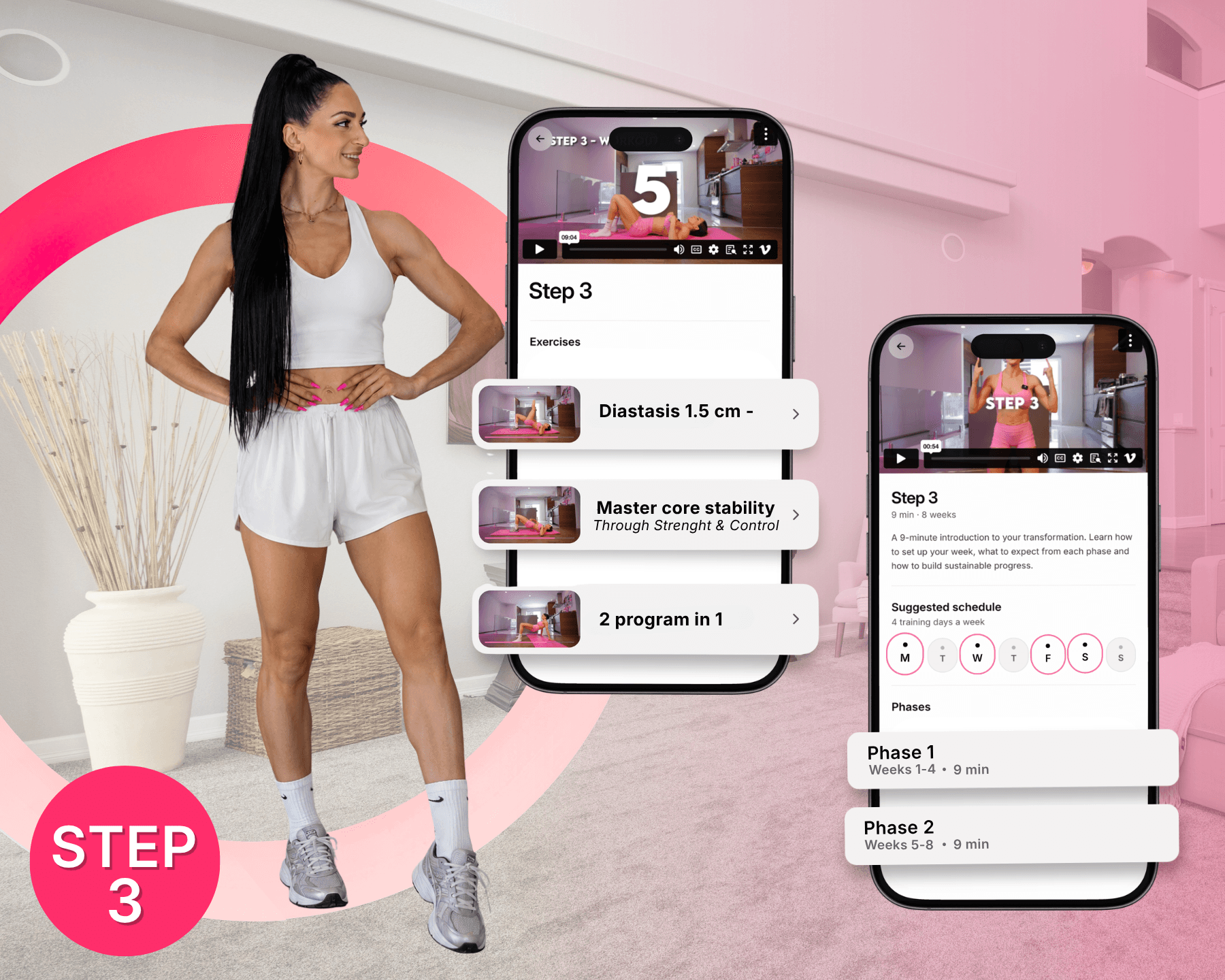
Postpartum Workout Program at Home - Step 3
- Build strength, stability, and muscular endurance.
- 9 minutes a day at home.
- No equipment required.
- 2 programs in one: two 4-week phases.
- Prepares your body for step 4.
- Access to the app and PDFs.
Continue my progress
As soon as Step 3 feels easy, continue with Step 4.
Why my method works (when nothing else has)
Unlike traditional ab workouts, this method targets the root cause of the “Mommy Pouch” through breathing, deep core activation, and pressure management no matter how many years postpartum you are.
Already over 185,000 moms supported worldwide.
What your program includes
A complete at-home method, designed to guide you from start to finish.
- A progressive, step-by-step program
- Guided exercise videos
- App and PDF access
- Private community of moms on WhatsApp
- Weekly progress tracking
- Supplement guide
Your postpartum belly can still change, even years later
Thousands of moms rebuilt their confidence with our non-surgical method, “Bye-Bye Mommy Pouch”.
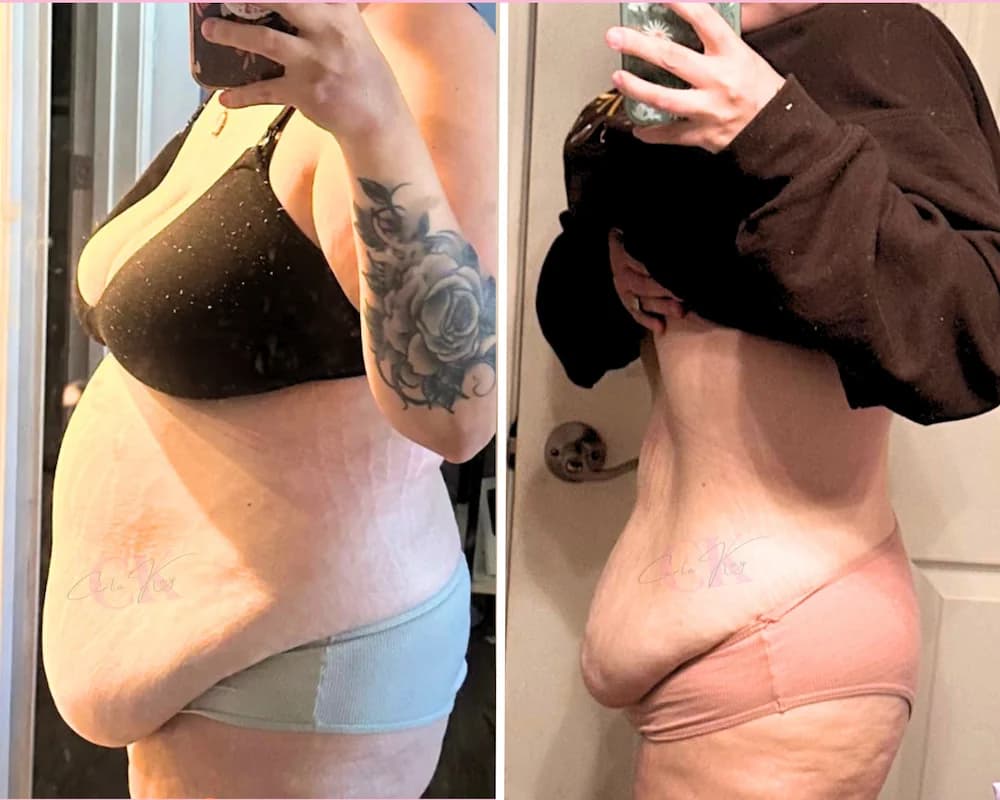
"I thought my hanging belly would never go away… but after just 8 weeks, the transformation was incredible."
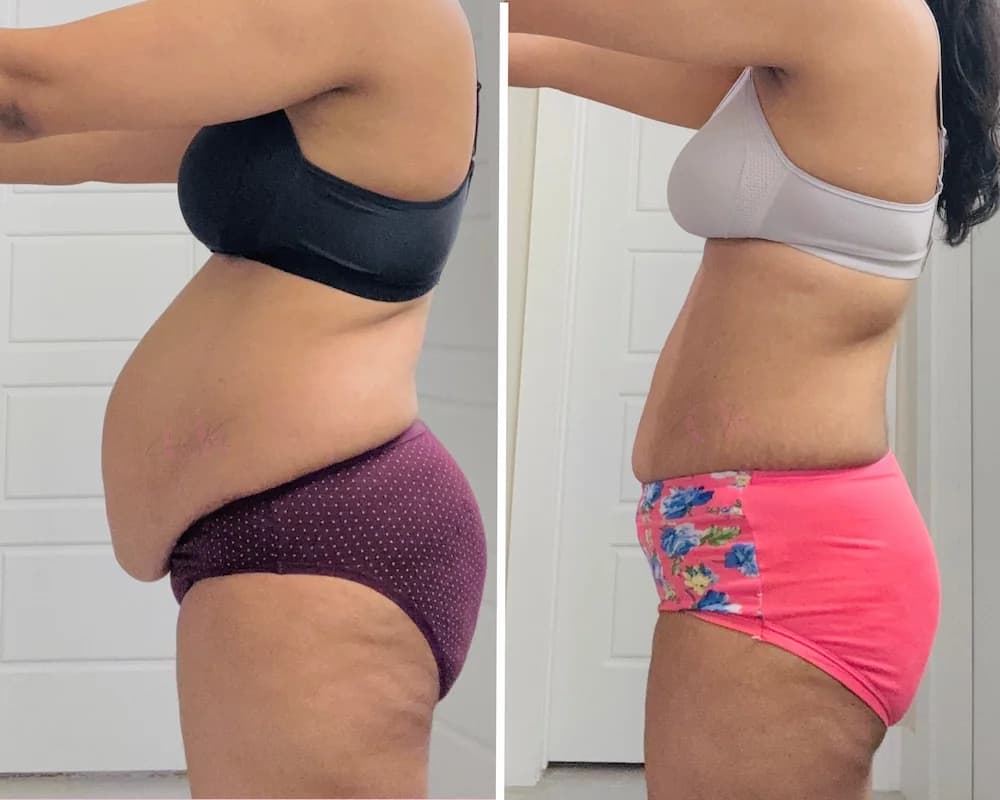
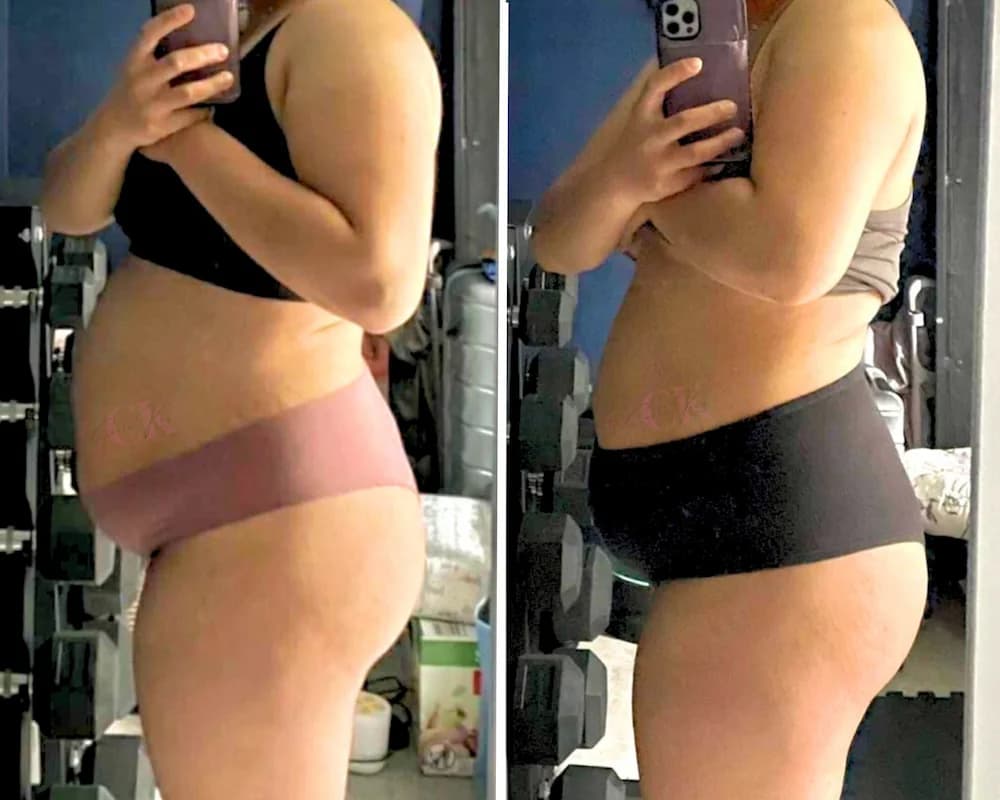
"In just 5 months, I lost 12 kg, got rid of my 3-finger mommy pouch, and got my confidence back. I still can't believe it!"
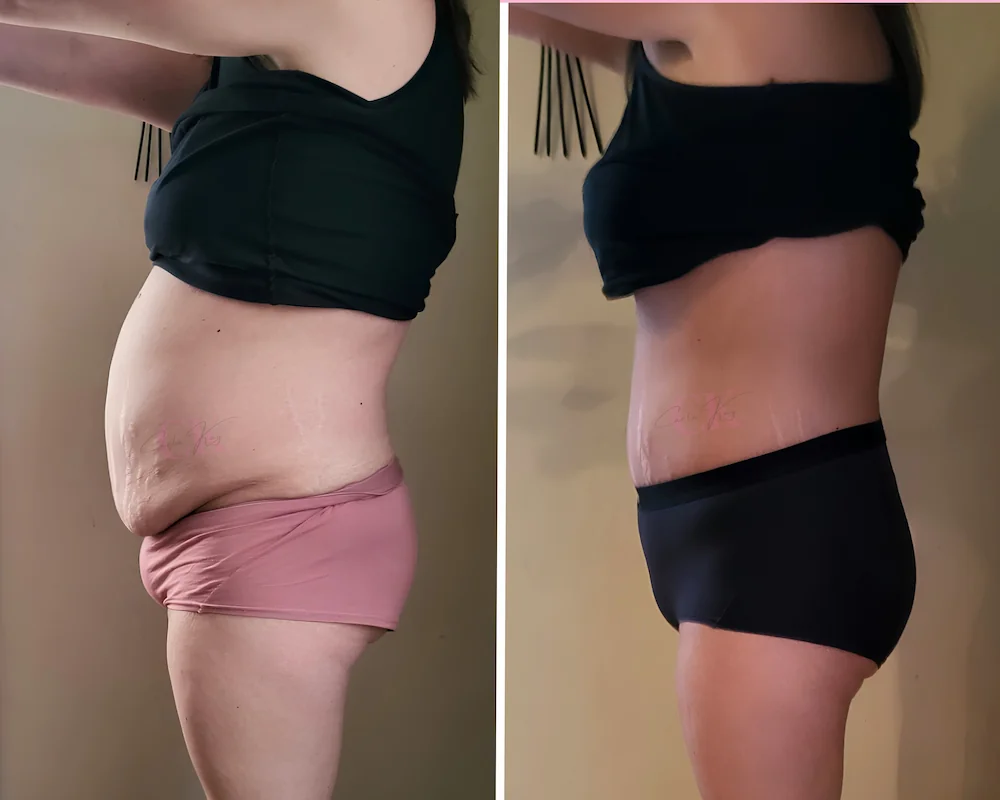
"I almost gave up on my postpartum belly… 5 months later, I finally have the results I thought were impossible."
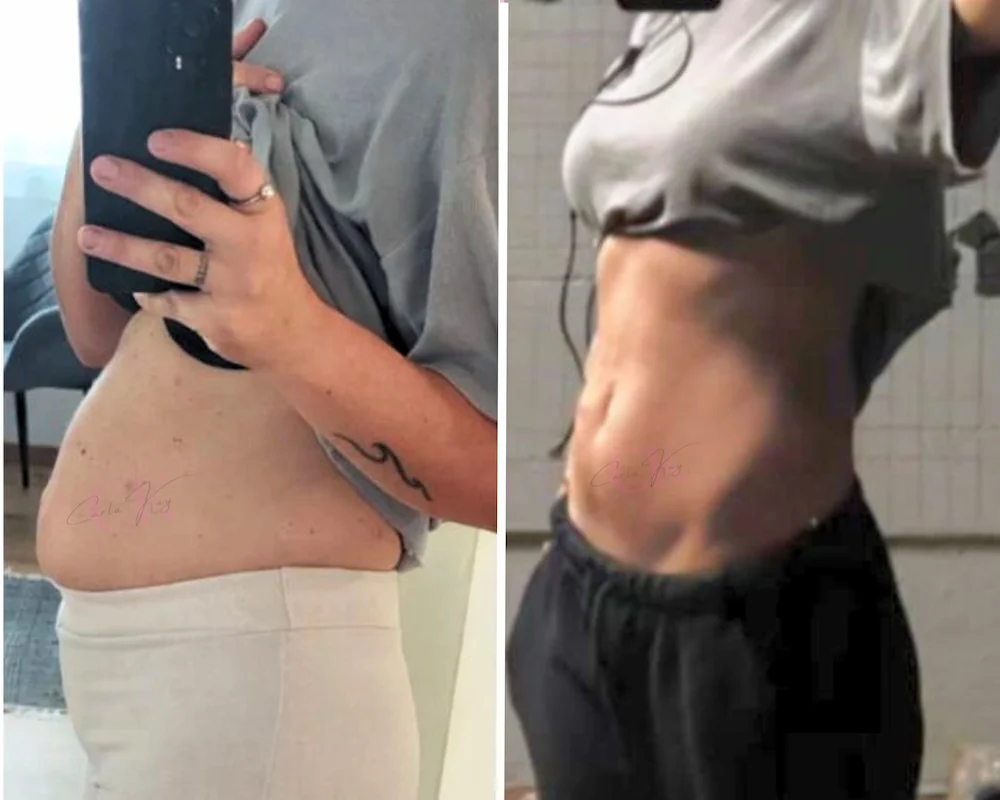
"2 years postpartum… after trying so many things, I finally found what actually works."
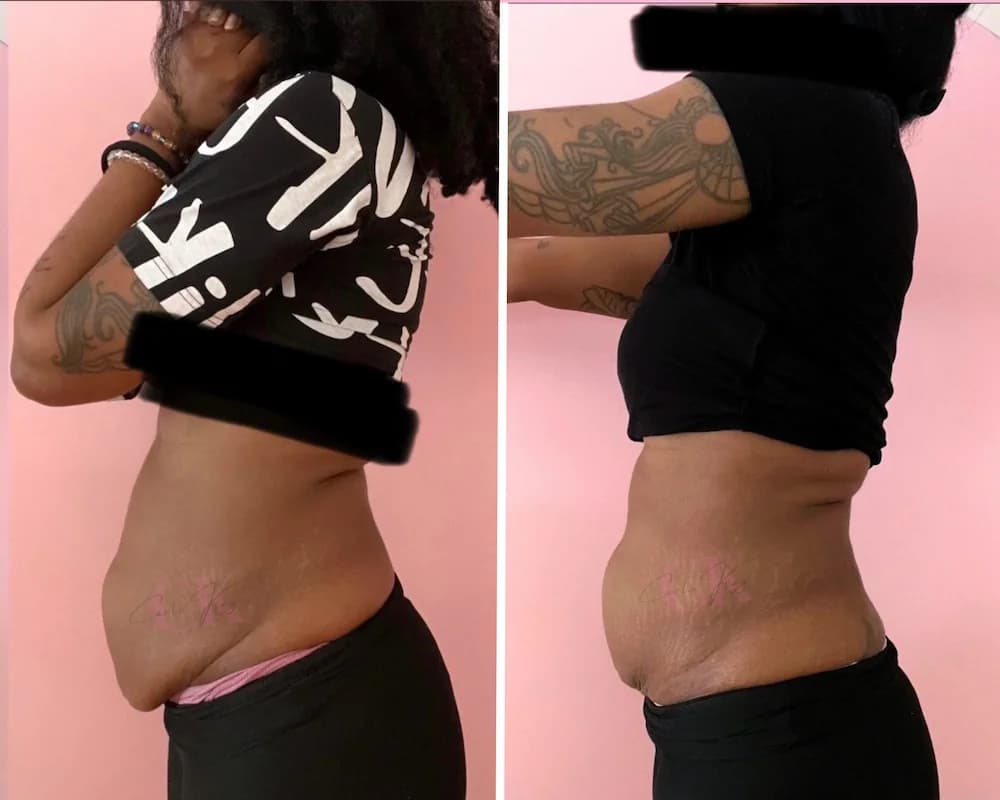
Pelvic floor restored
Flatter core in 9 weeks
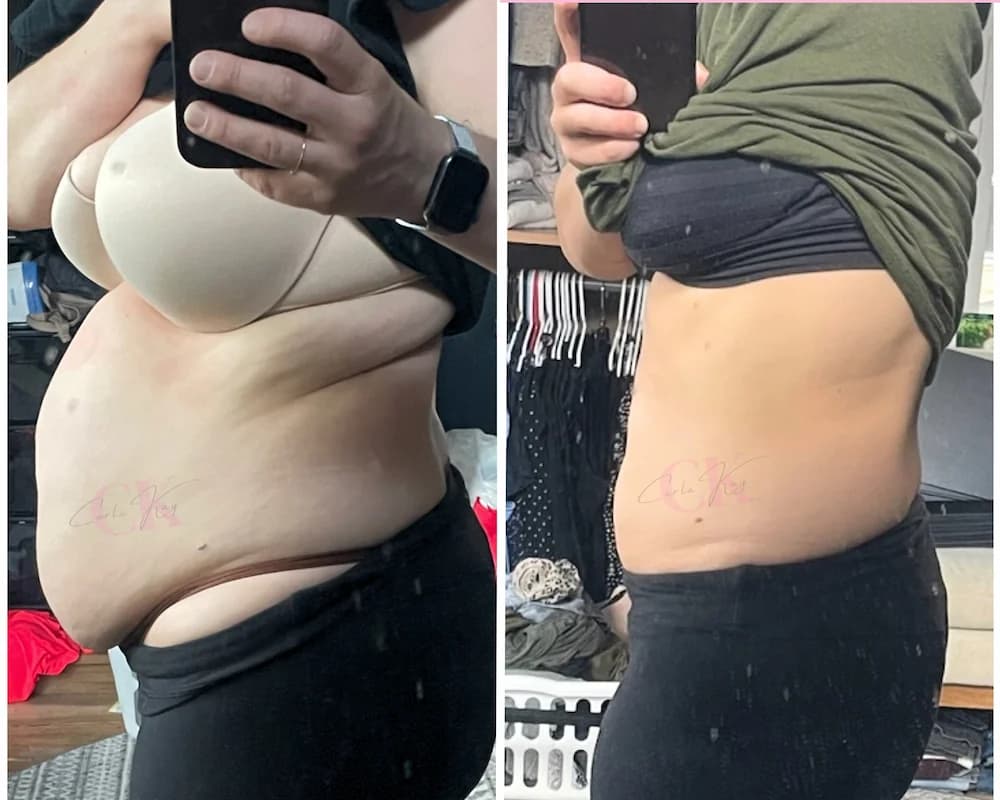
Goodbye 2-finger mommy pouch
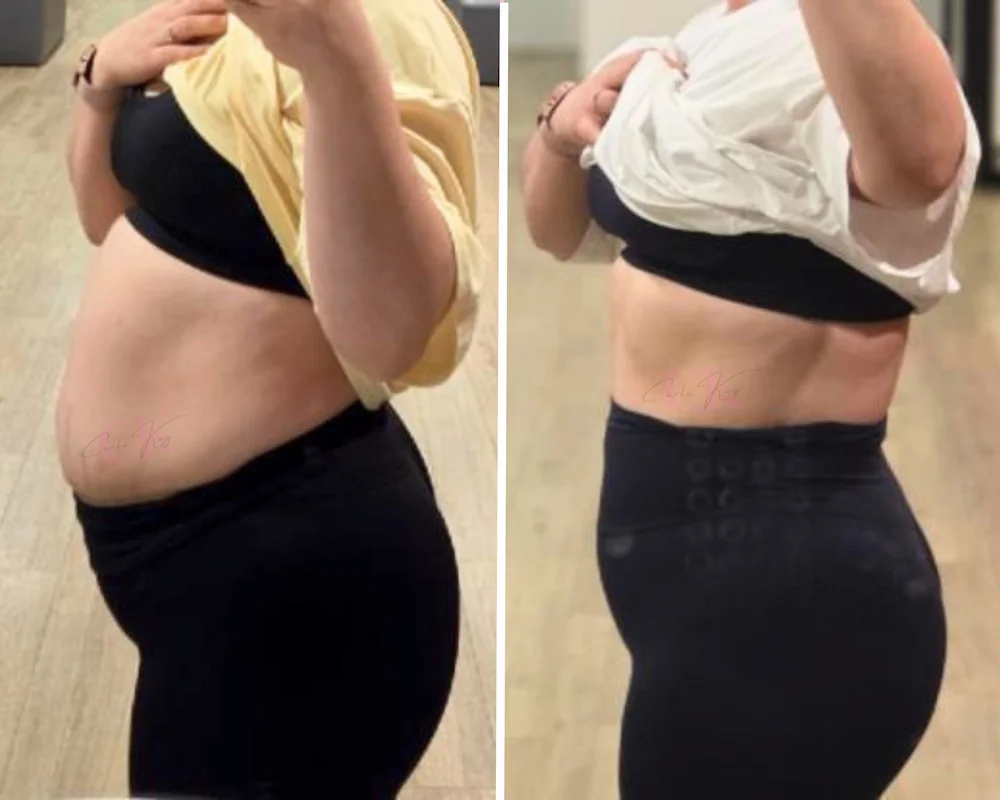
"After trying so many routines, I finally saw visible changes in just 15 days."
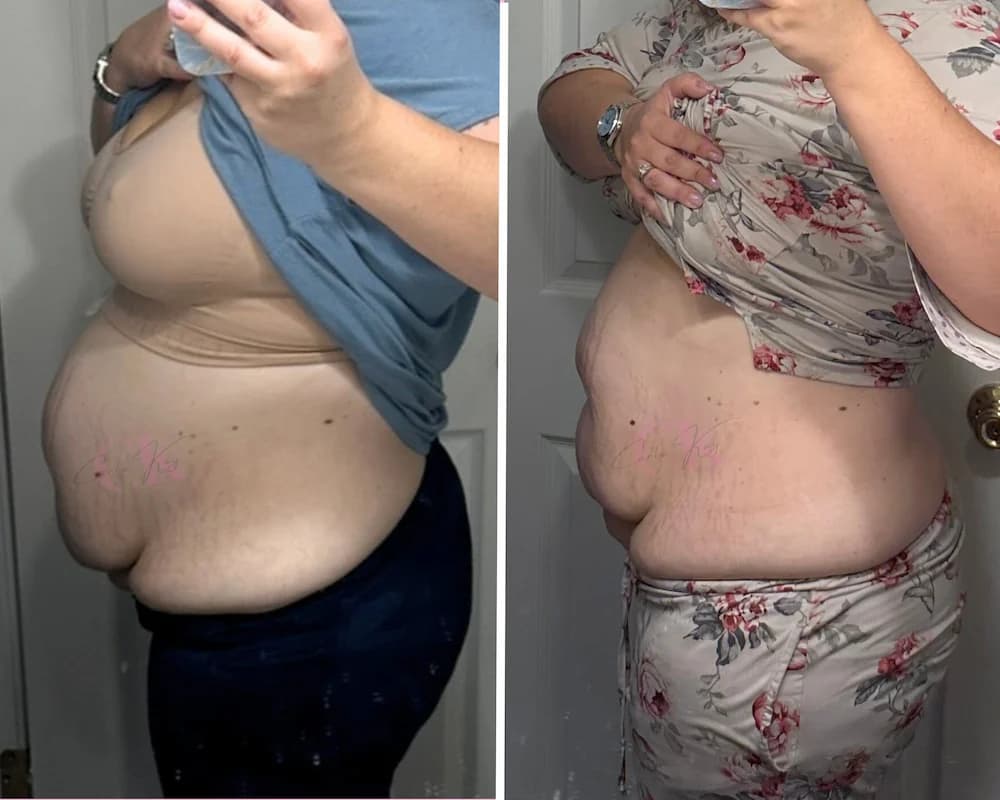
Back pain gone
What our clients say
Verified reviews, left by real moms.
Christine Ryan
6 months agoI have had a fantastic experience and results with the program. The fact that the workouts are designed specifically for someone with DR is so helpful... I know that I am not making my condition worse. I am so glad I went for this program!
Stefanie Koenig
5 months agoI love it! I'm so happy i started this programm! My back pain was better after the first day! And gone after the first week. I'm at the end of my second week and i can feel that i'm getting stronger from the inside out. My deep core muscles are getting stronger and stronger, my mommy pouch is getting flatter😃 and less bloated! And it's only a few minutes every second day! The support team is awesome and always there if i need help 💕. Thank you so much to Carla and the whole team!😊💕
Katerina Bitirini
6 months agoI am doing step1 , because i have 3 finger's mommy pouch after my second with cesarian. I have started 10 days now, doing double exercises , first and second phase and i already saw the first results with no back pain + 1finger less mommy pouch. I continue and we wish the best
Jesha Moc
6 months agoWorking with Carla Kay has been one of the best decisions for my postpartum journey ❤️ She is an amazing coach who truly cares. I was dealing with mommy pouch and didn’t see progress on my own, but her step-by-step guidance made such a difference. Her exercises are realistic, doable, and safe. I feel stronger, more confident, and more connected to my core. Highly recommend her to any mom going through postpartum recovery .
taty zapata
4 months agoAt first I was a little skeptical, but after 4 weeks I can see the difference; my waist measurement has gone from 76 cm to 74 cm, my posture has also improved a lot, and my stomach is less bloated.


Questions about your program
How to get the most from each session, from breathing and pacing to knowing when you are ready for the next step.
It is intentional. Unlike traditional workouts that constantly change, this program is built on repetition because deep core rebuilding happens through consistency. Repeating the same movements lets your core become stronger, more controlled and more stable over time, which matters most when you are working on your mommy pouch. Trust the process mama.
Breathing is one of the most important parts of the whole program. The goal is not to suck your stomach in or hold your breath. Take a calm breath in, then gently engage your lower core as you exhale, almost like a soft corset around your waist. Keep that light engagement while you keep breathing normally. If you notice doming, bulging or downward pressure, the movement is too hard right now or you are engaging too strongly. Reconnecting after pregnancy takes practice, so be patient with yourself.
It is based on how your body feels, not just on time. Before moving on you want to feel more control in your core, better tension through your midline and less pressure or doming during movements. There is no prize for rushing. Slowing down often gives the fastest and safest results because your body has time to rebuild from the inside out.
It depends on your body and your gap size. If your gap is larger, around 2.5 cm or more, it is usually better to train every other day so your core has time to recover. If your gap is smaller and you feel good with no pain, pressure or doming, daily training can be fine. More exercise does not always mean better results. Sometimes rest is exactly what your body needs.
Usually it is best to focus on one phase at a time. That said, if your gap is under 2.5 cm, your core feels strong and stable and you have no doming or pressure, you can combine both phases of the same step. Always prioritize quality over intensity. If you are unsure, staying a little longer on one phase is never a bad thing.
Yes mama. Gentle walking is completely fine and can actually support your recovery by helping circulation and posture without putting too much pressure on your core. Early on, avoid intense ab workouts, jumping, running and anything that causes doming or discomfort. Your priority right now is rebuilding strength safely from the inside out.
HIIT should only be introduced once your mommy pouch is gone and your core feels strong and stable. Starting too early creates too much pressure in the abdomen and can slow your progress, so focus on the foundation first. The stronger your deep core becomes, the safer and more effective HIIT will feel later. Foundation first, intensity later.
The best time is whenever you can stay the most consistent. If you can, mornings or before meals often feel best because many moms feel lighter and more connected to their core then, and it builds a routine before the day gets busy. Do not stress about the perfect time. A short consistent workout will always beat waiting for perfect conditions.
I personally recommend castor oil. I love it for gentle belly massage because it helps relax the area and makes the massage feel soothing. Combined with proper breathing and deep core work it can become a beautiful self-care moment in your recovery. Massage gently and consistently without pressing too hard. Recovery works best with patience and softness.